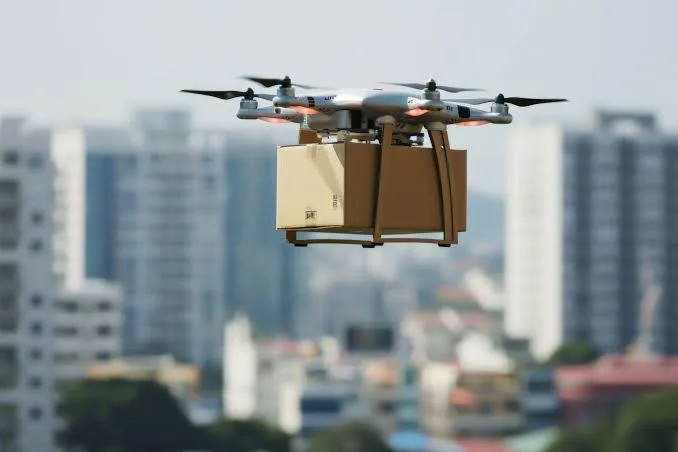
The rapid evolution of unmanned aerial vehicles has transformed military domains and is now setting its sights on the American food-delivery landscape. As hobbyist technology gains massive mainstream adoption, industry leaders are exploring how innovative systems can completely revolutionize everyday logistics.
Commercial Growth and Strategic Partnerships
Uber and partnering company Zipline recently announced a major alliance aimed at achieving one million automated deliveries daily by the end of the decade. Initial rollouts are scheduled to begin later this year, promising ultra-fast and precise services. This new wave of drone delivery tech aims to reduce heavy traffic congestion and lower carbon emissions significantly.
Logistical Challenges and Municipal Hurdles
Despite massive corporate backing, overcoming urban regulatory hurdles remains a major obstacle for aerial logistics providers. Many municipalities have previously banned or heavily restricted ground-based robotic couriers due to navigation failures and public right-of-way standoffs. Expanding reliable drone delivery tech into metropolitan regions will require navigating complex local laws and ensuring seamless public acceptance across major cities.
Future Outlook for Aerial Commerce
The transition toward sky-high logistics marks a monumental shift in how consumers receive everyday goods and meals. As innovators refine navigation systems and safety protocols, the widespread integration of drone delivery tech seems increasingly inevitable. Stakeholders across the country continue to monitor these developments closely to see how automated skies will reshape modern American commerce.