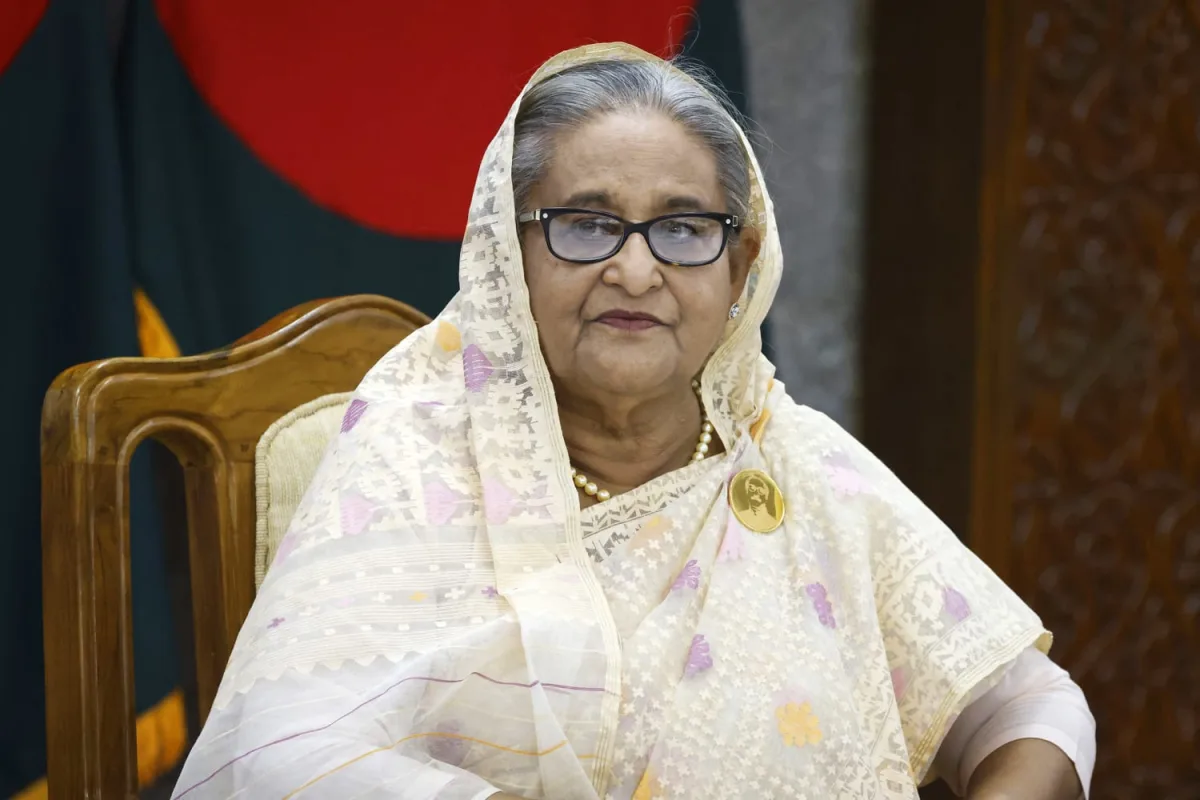
Diplomatic tensions between India and Bangladesh have escalated sharply following former Prime Minister Sheikh Hasina's recent declaration of her intent to return home. Responding directly to queries regarding her potential return and extradition, India’s Ministry of External Affairs clarified that its fundamental geopolitical stance remains entirely unaltered. This diplomatic development marks a pivotal moment in bilateral relations, with New Delhi underscoring its long-held commitment to standard international protocols, emphasizing that the entire Hasina legal issue will be managed systematically.
India Affirms Commitment to Established Laws
During a key press briefing on Tuesday, Ministry of External Affairs spokesperson Randhir Jaiswal reiterated the Indian government's consistent stance regarding the ousted leader. Addressing inquiries about whether New Delhi is in active contact with Dhaka over a secure repatriation process, Jaiswal noted that India's overarching approach has not changed. He emphasized that any formal extradition proceeding inherently constitutes a deep Hasina legal issue that must be managed explicitly in accordance with established statutory laws, standard bilateral frameworks, and judicial procedures.
Bangladesh Welcomes Return Amid Death Sentence
This definitive response from New Delhi follows an explosive interview where Hasina announced plans to voluntarily end her exile in India by December. The former Prime Minister expressed a willingness to surrender directly to Bangladeshi judicial courts, despite acknowledging severe threats to her life. In response, Dhaka stated she is welcome to return but advised her to secure elite legal representation. The Hasina legal issue is highly critical, as an international tribunal recently sentenced her to death over violent crackdowns.
Rising Pressures From the New Dhaka Administration
Diplomatic pressure has steadily mounted since the establishment of Prime Minister Tarique Rahman’s new administration in Dhaka. Bangladesh’s Foreign Minister, Khalilur Rahman, personally traveled to New Delhi to push the extradition request during a high-profile meeting with External Affairs Minister S. Jaishankar. While Dhaka continues sending official appeals requesting her transfer, New Delhi has historically withheld a definitive answer. The complex Hasina legal issue remains bounded by strict regulations, leaving future actions dependent on formal judicial processing.
The Future of Cross-Border Diplomacy
As regional experts analyze the gridlock, the cross-border legal standoff highlights the shifting dynamics of South Asian diplomacy. Hasina maintains that external letters are unnecessary because she intends to surrender on her own terms. However, the Indian government’s refusal to bypass standard administrative channels indicates that political considerations will not override legal constraints. How both nations navigate the Hasina legal issue will ultimately define the future parameters of their bilateral security pacts and broader trade partnerships.
Disclaimer
The information provided in this report is for general journalistic, informational, and educational purposes only. It should not be construed as professional legal counsel, political advisory, or official diplomatic guidance regarding international extradition treaties, sovereign asylum policies, or cross-border laws. For official policy updates, readers should refer directly to the formal press releases and communiqués issued by the Ministry of External Affairs of India and the Ministry of Foreign Affairs of Bangladesh.